
AMERICAS REGIONAL OVERVIEW 2026
Alicia Quiñones, Head of the Americas Region
Overall, PEN International’s documentation in the Americas in 2025 reveals four main types of persecution: criminalization of critical voices through laws restricting peaceful protest and freedom of artistic expression; strategic lawsuits against public participation (SLAPPs) by powerful individuals or companies - often for alleged insult or defamation - that drain defendants’ resources; restrictive or punitive administrative measures including publishing prohibitions and book bans; and increasing online harassment and stigmatization, with women writers often facing digital gender-based violence. The year saw a worrying rise in killings of journalists, mostly with impunity, to the highest level since 2021.
The punishment is the process: legal and criminal harassment
In 2025, PEN International documented a continued use of judicial systems to intimidate, discredit or punish journalists, writers and other critical voices in the region, with judicial harassment one of the most common mechanisms used to censor authors, artists and journalists in the region. Such persecution not only impacts art, literature or journalism but also often forces individuals to leave their countries for their own safety.
The cross-border displacement of journalists has consequently become a regional phenomenon; the Migrant Journalists’ Network estimates that at least 913 journalists from 15 countries in Latin America and the Caribbean, especially Venezuela (477), Nicaragua (268) and Cuba (98), have been forced to leave their countries since 2018, mainly due to political persecution, the criminalisation of journalism and threats from non-state actors, including organized crime. Some governments, such as Nicaragua, have also refined methods of transnational repression, placing writers at risk even when abroad.
Judicial onslaught on freedom of expression
Many countries in the region have long abused the criminal justice system to repress dissent. A more recent development is the increase in SLAPPs, where officials, powerful private individuals or corporations intimidate or silence critical voices through costly, protracted and generally vexatious litigation. Together, they represent a judicial onslaught on freedom of expression.
The situation of persecuted writers in the Americas below confirms this trend. Cuba leads the way, with the highest number of prison sentences (often for national security related charges); open-ended or protracted trials; arbitrary detentions; surveillance; and restrictions on movement, turning the criminal justice system into an apparatus for controlling cultural, artistic and access to information rights.
Mexico shows a convergence between threats and abuse of judicial channels (sanctioning procedures, complaints of defamation, complaints of ‘gender-based political violence’, and civil and criminal litigation to stop publications). ARTICLE 19 documented a worrying and sustained increase in judicial harassment against journalists in the first half of the year. In total, 39 journalists (28 men and 11 women) and 12 media outlets were notified of legal proceedings against them. Such judicial harassment seriously jeopardises freedom of expression and the right to information, as exemplified by the criminal cases against Rodolfo Ruiz and Rafael León Segovia.
In November, PEN International and the National Chamber of the Mexican Publishing Industry established an agreement to combat the increase in judicial harassment affecting books and publishing houses in Mexico. This collaboration aims not only to serve as a bridge between PEN Centres, writers and the publishing sector, but also to expand advocacy in support of persecuted writers and editors.
Elsewhere, Argentina combined smear campaigns with often multiple, simultaneous lawsuits for slander, libel or defamation against critical voices, while in Peru, at least eight investigative journalists faced harassment and threats. Others, such as Paola Ugaz (see below) were subjected to repeated litigation as punishment for their investigations.
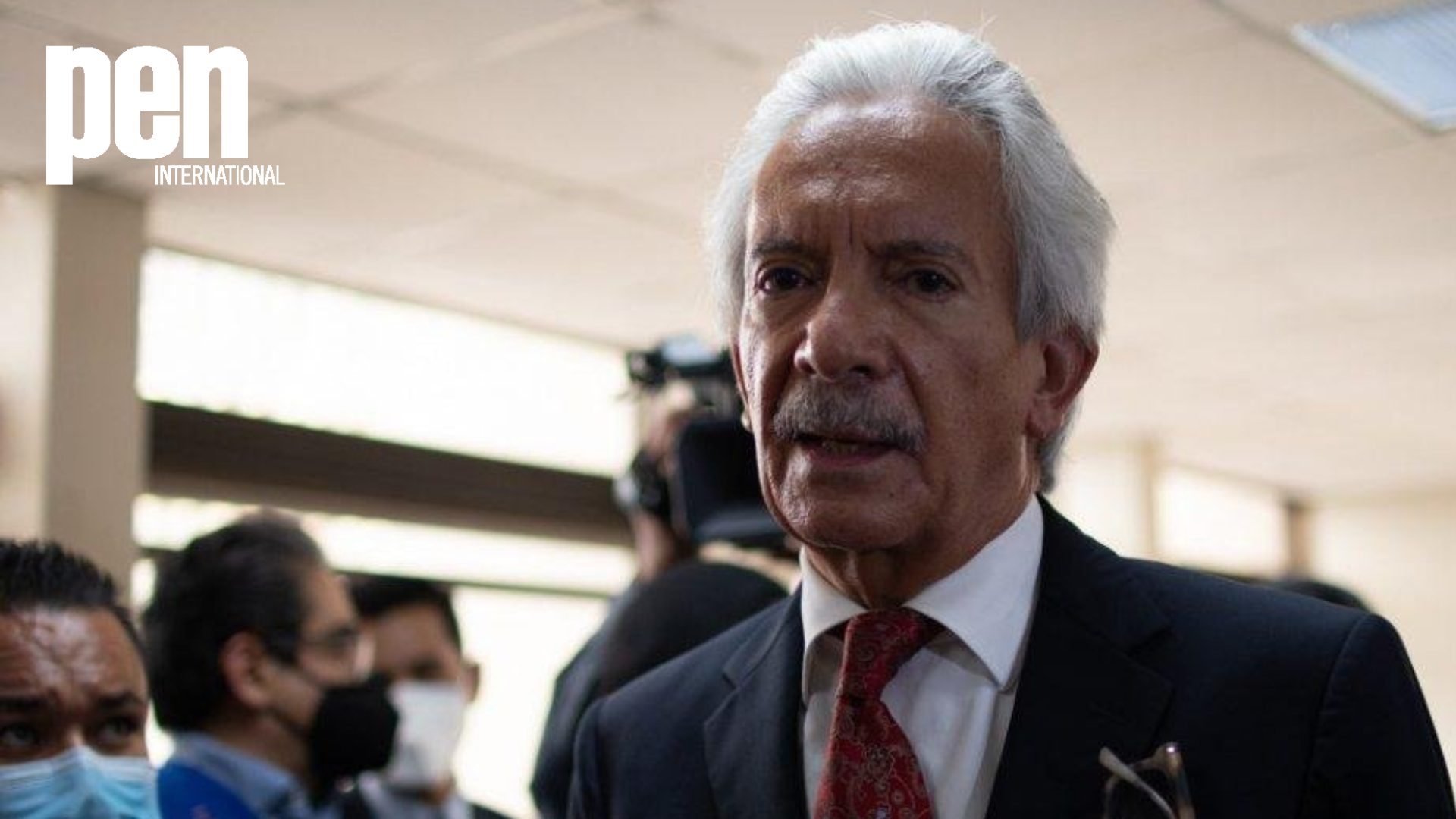
Journalist Jose Rubén Zamora Marroquín (see below), founder of elPeriódico, is one of the most emblematic cases of judicial harassment in Guatemala. Arrested in July 2022, he has faced procedural irregularities, obstacles to his defence and prolonged use of preventive detention.
In 2025, El Salvador consolidated a more hostile environment for civil society and journalists with the approval of the Foreign Agents Law, which imposes mandatory registration for those who receive funds from abroad and broad state powers to sanction or even dissolve organisations. This increasingly restrictive environment saw the forced exile of at least 40 journalists and the decision by the Association of Journalists of El Salvador (APES) to leave the country.
Persecution in Nicaragua continued to intensify. In May, a constitutional reform prohibited dual citizenship. This measure exacerbates the situation of journalists, human rights defenders and opponents in exile, many of whom already face de facto denationalisation through the refusal to renew their passports. The Foundation for Freedom of Expression and Democracy (FLED) documented 115 violations of press freedom in 2025, including the arbitrary detention of a journalist. The report also shows how ‘information deserts’ have expanded to affect 65% of the country.
Independent journalism in Venezuela continued to face a climate of hostility marked by criminalisation and arbitrary detention of journalists. PEN International, together with the organisation Espacio Público, documented the detention of at least 12 journalists allegedly in connection with their reporting, many of them accused of serious crimes such as ‘terrorism’ or ‘incitement to hatred’ and facing unfair trials. Although some individuals have been released from prison, such as Rory Branker (see below), many continue to be subject to restrictions and threats, or face criminal charges, reflecting the systematic pattern of criminal harassment used for censorship.
Smear campaigns, threats and administrative sanctions as a strategy of repression
In Argentina, the deterioration of the climate for freedom of expression was marked by the normalisation of public insults, disparagement and stigmatisation from the highest levels of political power. This type of rhetoric acts as an umbrella that enables other silencing strategies. According to the Argentine Journalism Forum (FOPEA), 2025 was the most devastating year for press freedom in the country since the organisation began recording attacks in 2008, with 278 documented attacks. President Milei was linked to 43% of the attacks, mainly through stigmatising speeches, insults and public disparagement of journalists. Attacks on women often included AI-generated sexually denigrating images.
In Mexico, 338 attacks against women journalists were documented between January and December 2025. The most common attacks included threats, smear campaigns, intimidation and harassment, and often came from public officials or powerful actors. This violence stems from longstanding structural inequalities and unbalanced gender power relations. Its impact transcends the persecution of the journalists affected as it also limits the right of all to be informed.
During 2025, a rise in authoritarian practices in the United States of America (USA) led to a growing pattern of political, judicial and administrative pressure against media outlets and journalists, driven mainly by the executive branch and federal agencies. This contributed to a marked chilling effect on the press, encouraging self-censorship by both individual journalists and in editorial decisions by media outlets. Officials combined hostile rhetoric, defamation lawsuits sometimes resulting in multimillion-pound legal settlements, and regulatory pressure, such as threats to broadcasting licences, to intimidate critics. Other measures included limitation of access by journalists and media to official spaces or activities, including through proposals to limit press visas and even deportations such as of journalist Mario Guevara. In September 2025, PEN International adopted a resolution condemning the growing deterioration of freedom of expression in the USA and warning against the abuse of federal government functions to pressure media, cultural and academic institutions to conform to the government’s views, as well as warning against the banning of books.
North America: Increasing book censorship - a sign of intolerance
In 2025, book censorship in the United States of America (USA) was rampant. Since 2021, nearly 23,000 book bans have been banned, primarily driven by conservative groups and politicians using the rhetoric of ‘parents' rights’ to have ideological control. This trend has escalated from local disputes to state and federal levels, directly threatening freedom of expression and children's access to stories and non-fiction that reflect their diverse cultural histories, identities and life experiences.
During the year, almost 600 books were removed from schools on U.S. military bases, while states such as Utah and South Carolina introduced statewide ‘no-read’ lists. According to PEN America, 97% of cases involved school officials taking books off the shelves preventively, often out of fear of legal complaints, political backlash or the loss of funding. Many of the targeted books feature LGBTQ+ characters or themes, with even children’s picture books being labelled ‘sexually explicit’ simply for showing diverse families.
In 2025, Canada experienced one of the most intense debates in decades on book censorship in school libraries. A controversy arose following a ministerial order issued by Alberta's Ministry of Education seeking to remove books containing ‘explicit sexual content’ from libraries. The new rules were to take effect on 1 October 2025 and reflected proposals from socially conservative ‘parental rights’ groups in the province.
However, the inclusion of numerous literary classics in a list of over 200 books to be removed in the province of Edmonton, sparked protests from various public figures, including PEN International Vice-President Margaret Atwood, as well as concrete action from PEN Canada. Faced with national controversy, on 3 September 2025, the Alberta government announced that it would temporarily pause implementation of the policy to review its wording. Nevertheless, at least 56 book removals or restrictions took place in school and public libraries following complaints about content (see box).
These book bans underscore a critical reality: access to knowledge is power, and its restriction carries profound consequences. Book bans do not merely remove titles from shelves - they limit students’ ability to engage with diverse perspectives, understand complex social realities, and develop independent thought. Fiction plays a vital role in exposing young readers to new identities, experiences, and ideas, and can validate their own lived realities. At the same time, non-fiction - encompassing biographies, memoirs, and historical or educational works - is essential for young people seeking to interpret the world around them and to develop informed opinions, particularly within a context of political polarisation and social tensions.
Killing journalists does not kill the truth
Deadly violence against journalists remains one of the most worrying issues in the Americas. On 9 December 2025, Reporters without Borders presented a global analysis of murders of journalists. Of at least 67 killings worldwide, 26% were recorded on the continent with Mexico being the second deadliest country in the world (9) after Palestine. According to RSF’s barometer, in 2025, nine other journalists were also killed in Peru (4), Ecuador (2), Guatemala (1), Colombia (1), and Honduras (1), the worst year for killings in the region since 2021.
On 31 October 2025, on the Day of the Dead, ARTICLE 19, Amnesty International, English PEN, PEN Chiapas Pluricultural, PEN San Miguel, PEN Guadalajara and PEN International honoured the journalists in Mexico who have been killed for their work in the previous year and calling for urgent action to end the violence. The brutality of the attacks, combined with entrenched impunity, has created a perpetual cycle of violence that undermines not only the right to freedom of expression but also the public’s right to be informed.
Importance of multilateralism amid a decline in cooperation
2025 saw a growing trend among some states to reduce or abandon their cooperation with international human rights mechanisms. In February 2025, Nicaragua’s withdrawal from the UN Human Rights Council following a critical report by independent experts, and subsequent failure to participate in the Universal Periodic Review (UPR) process in March, generated strong criticism from international press freedom organisations. On 4 May 2025, Nicaragua also withdrew from UNESCO, just days after the organisation announced that the 2025 UNESCO/Guillermo Cano World Press Freedom Prize would be awarded to the Nicaraguan newspaper La Prensa.
Meanwhile, the USA also announced in 2025 that it would not participate in either the UN Human Rights Council or UNESCO, or in its upcoming UPR, regrettably becoming the first state not to participate in its own review. PEN America and PEN International’s joint UPR shadow report documents violations of the rights to free expression, education, and non-discrimination, highlighting the profound impact of educational gag orders, diversity, equity, and inclusion bans, curriculum restrictions, and attacks on tenure, faculty rights, and institutional autonomy. These measures disproportionately affect students from marginalised communities, including students of colour, women, LGBTQ+ students, students with disabilities, and those from low-income backgrounds.
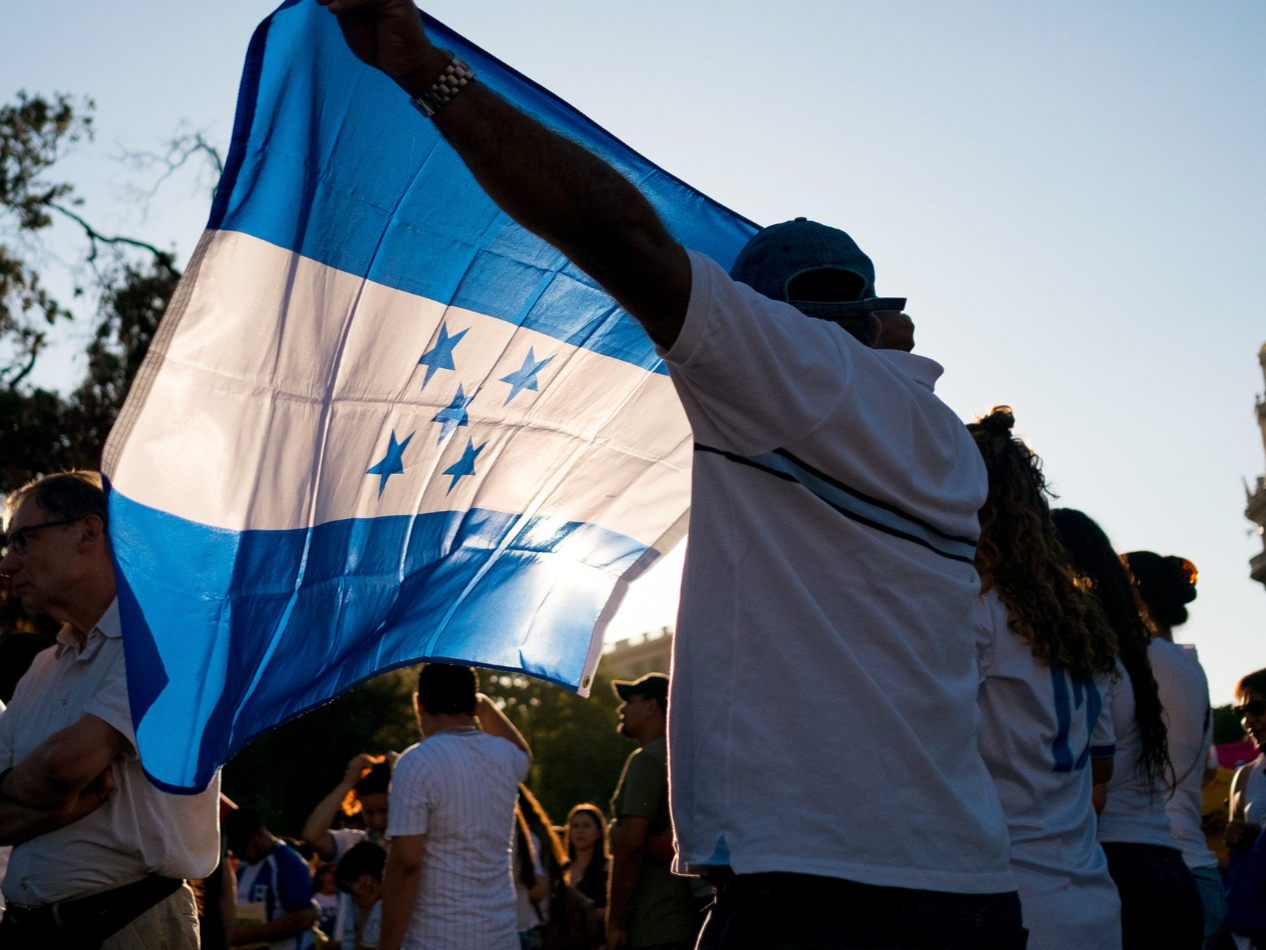
During 2025, PEN International’s shadow UPR report on Honduras showed how the conditions for the exercise of freedom of expression and of press freedom have deteriorated amid ongoing political polarisation, rising levels of impunity, and the imposition of an extended state of emergency, all of which raised serious concerns in the lead-up to the general elections on 30 November 2025. PEN International’s advocacy since the previous review contributed to 21 states making recommendations on freedom of expression, freedom of the press, and the protection of journalists, as well as increased attention to the situation in Honduras by the UN Special Rapporteur on the right to freedom of opinion and expression.
Good news
Hadi Matar was convicted in February of attempted murder and assault for the 2022 stabbing that left writer Salman Rushdie severely injured. Matar was subsequently sentenced to 25 years in prison, while also facing separate federal terrorism-related charges. This was a rare moment of accountability for attacks on writers, though Rushdie remains at risk of threats and attacks in relation to the publication of his 1988 novel The Satanic Verses which had led to the imposition of a fatwa from the late leader of Iran, Ayatollah Ruhollah Khomeini, calling for his killing. Rushdie however, continues to receive threats and is at risk of further attacks.

Commodo cursus magna, vel scelerisque nisl consectetur et. Donec id elit non mi porta gravida at eget metus.