
Nadira YEASMIN
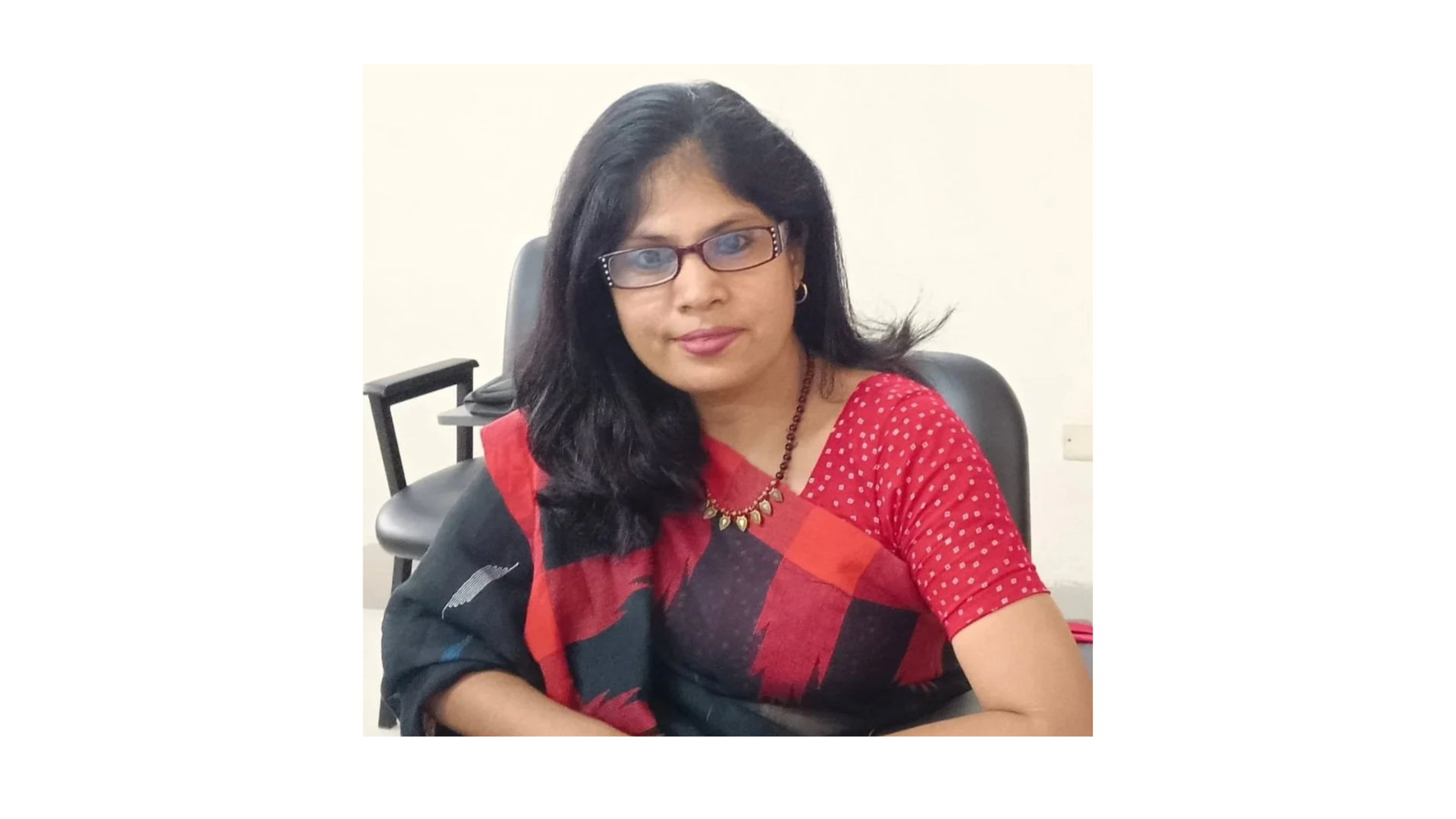
Image Credit: Personal Archive
A writer, academic, and women’s rights activist, Nadira Yeasmin has been subjected to an escalating campaign of harassment in response to her peaceful advocacy for gender equality in Bangladesh. In May 2025, Yeasmin, who at the time was an assistant professor of Bangla at Narsingdi Government College, became the target of coordinated attacks by conservative religious groups after publicly supporting a landmark report by the Women’s Affairs Reform Commission. The report proposed wide-ranging reforms to advance women’s rights, including the repeal of laws that undermine freedom of expression, the enactment of new legislation to prevent sexual harassment, and reforms to ensure equal inheritance rights.
In response, Islamist groups, including Hefazat-e-Islam, accused Yeasmin of promoting views they claimed contradicted Islamic law. On 3 May 2025, Hefazat-e-Islam organised a large rally in Dhaka calling for the dissolution of the Commission. Shortly thereafter, Yeasmin criticised the rally on social media, prompting an intensified backlash.
On 25 May 2025, members of Hefazat-e-Islam issued a 48-hour ultimatum demanding Yeasmin’s dismissal from her teaching post. The following day, the Ministry of Education transferred her to Satkhira Government College—more than 250 kilometres from her previous post—and placed her on ‘Officer on Special Duty’ status, effectively suspending her from teaching and other academic duties. Yeasmin has also faced sustained online harassment and threats to her personal safety.
Despite widespread condemnation from academics, student organisations, and women’s rights groups, the interim government has failed to reinstate Yeasmin or publicly address the campaign against her, a clear demonstration of the shrinking space for women’s freedom of expression in Bangladesh and the growing influence of reactionary pressure groups.
In addition to her academic work, Yeasmin is the founder of the women’s rights organisation Nari Ongan and the editor of Hisya, the organisation’s literary magazine. In that role, she published articles supporting gender equality in family and property law.