
Professor ILHAM TOHTI
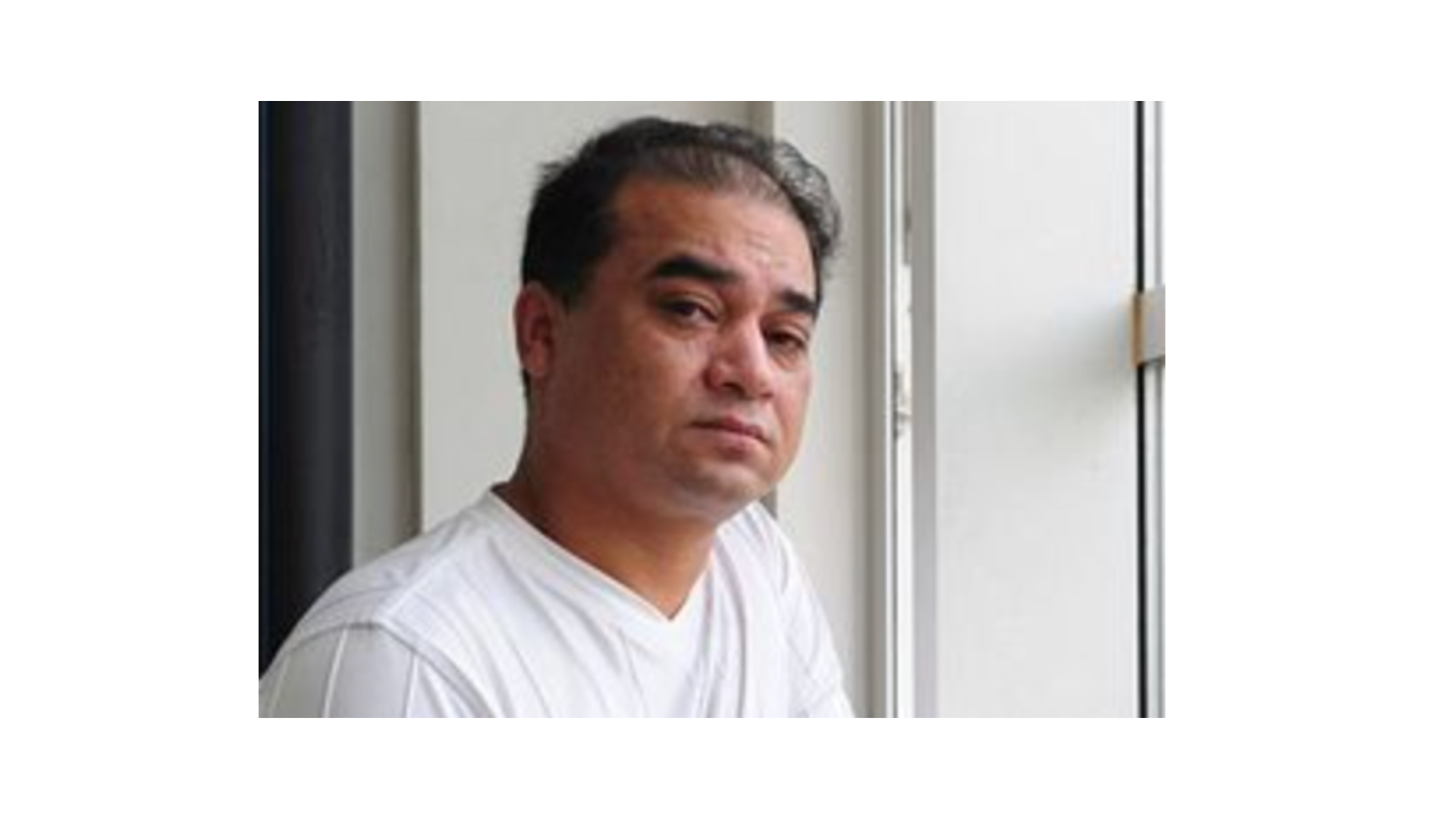
Image Credit: FREDERIC_J_BROWN/Getty Images
A writer, academic and public intellectual, Ilham Tohti remained in prison serving a life sentence after being convicted on charges of ‘separatism’. He is believed to be held in Urumqi No.1 Prison in the Xinjiang Uyghur Autonomous Region. He was detained on 15 January 2014, when police raided his home in Beijing. Since his initial detention, he has been allowed only limited access to his family and legal representatives. Despite an April 2014 UN Working Group on Arbitrary Detention determination that his detention was arbitrary, Ilham Tohti was convicted and sentenced to life imprisonment following a two-day trial in September 2014 that failed to meet international fair trial standards. In 2024, PEN International called for his release during China’s Fourth Universal Periodic Review at the UN Human Rights Council (see Case Lists 2014-2025).
Born on 25 October 1969, Ilham Tohti is an academic committed to promoting inter-ethnic dialogue and advocating for the rights of Uyghurs and other minority communities in China. An economics professor at Beijing’s Minzu University, he devoted much of his academic work to examining how state policies contributed to the systematic persecution of Uyghurs and other ethnic minority groups. His writings, some of which are collected in his book We Uyghurs Have No Say, provide nuanced analysis of relations between ethnic groups in Xinjiang and the role that ethnic policy played in exacerbating the social and economic marginalisation of Uyghurs.
In 2006, Ilham Tohti founded Uyghur Online, a bilingual website intended to foster mutual understanding by reporting on human rights issues and advocating for fair treatment of China’s minority populations. Despite repeated attempts by authorities to shut it down, the website became an important platform for inter-ethnic dialogue, particularly through its discussion forums. However, it was forced to close in the run-up to Ilham Tohti’s arrest. In 2020, the website was partially restored by the Ilham Tohti Institute.