
Varavara RAO
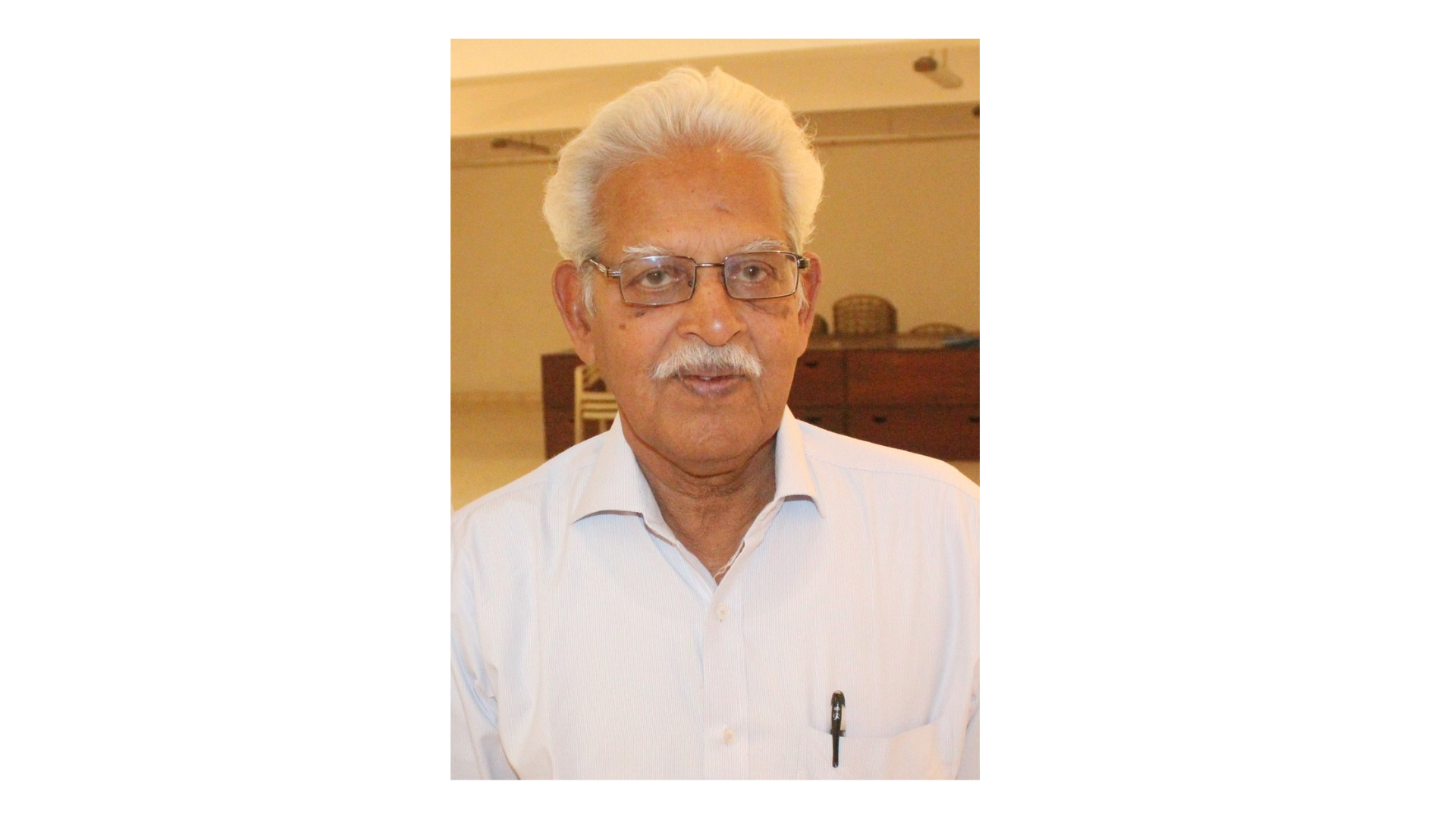
Image Credit: Batthini Vinay Kumar Goud/WikkiCommons
A writer, poet, and activist, Varavara Rao remained on trial at the end of the year while released on medical bail. He is one of 16 writers, scholars, and activists charged under India’s counterterrorism law, the Unlawful Activities (Prevention) Act (UAPA). The charges against the group, commonly referred to as the BK-16, stem from their alleged involvement in ‘inciting violence’ at a public event held on 31 December 2017, organised to advocate for the rights of Dalits and other marginalised communities. Riots broke out the next day between Dalits and Hindu nationalists. Rao has categorically denied all charges, and the case is widely regarded as politically motivated and emblematic of a broader crackdown on dissent in India.
Rao was arrested on 28 August 2018 and spent more than two years detained in abhorrent conditions, contracting COVID-19 and suffering serious health complications. Despite repeated requests, he was denied adequate medical care until the Supreme Court granted him medical bail in August 2022. He remains subject to strict bail conditions, including a requirement that he reside in Mumbai, restrictions on his movement, and a prohibition on public commentary about his case (see Case Lists 2021-2025).
In September and October 2025, the Supreme Court and a National Investigation Agency court respectively declined to modify Rao’s bail conditions to allow him to relocate to Hyderabad for medical and dental treatment. These decisions have effectively confined the 85-year-old poet to Mumbai, where he has limited access to family support and financial resources.
Born on 3 November 1940, Varavara Rao is a major figure in Telugu literature and a founding member of the Revolutionary Writers Association (Virasum). He is the author of 17 poetry collections and 19 works of prose in Telugu, and served as editor of the literary journal Srujana, which played a formative role in shaping modern Telugu literature.