MIDDLE EAST AND NORTH AFRICA REGIONAL OVERVIEW 2026
Mina Thabet, Head of the Middle East and North Africa Region
The freedom of expression crisis in the Middle East and North Africa worsened throughout the year, with horrifying attacks on minority communities in Syria, a brief conflict between Israel and Iran, continued genocide of Palestinians in Gaza by Israel, which also escalated attacks in the occupied West Bank. Governments across the region continued their harsh repression of freedom of expression, including expression online; crushing peaceful protests; while continuing the use of smear campaigns, arbitrary detention, judicial harassment (including travel bans), and unfair trials against writers, journalists, and government critics. Press freedom remained under attack in various countries, with Israel responsible for the deaths of two-thirds of all journalists killed worldwide in 2025. PEN International welcomed the releases of arbitrarily detained writers in Algeria and Egypt.
Clampdown on peaceful protests
In September, in Morocco, authorities violently responded to the ‘GenZ212’ country-wide protest movement, against government policies and corruption, and demanding better health care and education. The crackdown resulted in the deaths of at least three people and the detention of thousands, including minors. In October, Moroccan courts sentenced hundreds of protestors to varying prison terms between six months and five years, with some defendants sentenced to 15 years in prison.
In December 2025 and January 2026, authorities in Iran used excessive force, mass arbitrary arrests and internet shutdowns to suppress country-wide protests against the government's mishandling of the economy, including the collapse of the country’s local currency and persistently high inflation. UN experts previously warned that the sanctions and different forms of over-compliance have had a serious negative impact on the country’s economy, leading to serious violations of human rights and humanitarian challenges, which have been exacerbated by the COVID-19 pandemic in recent years.
Crackdown on online expression
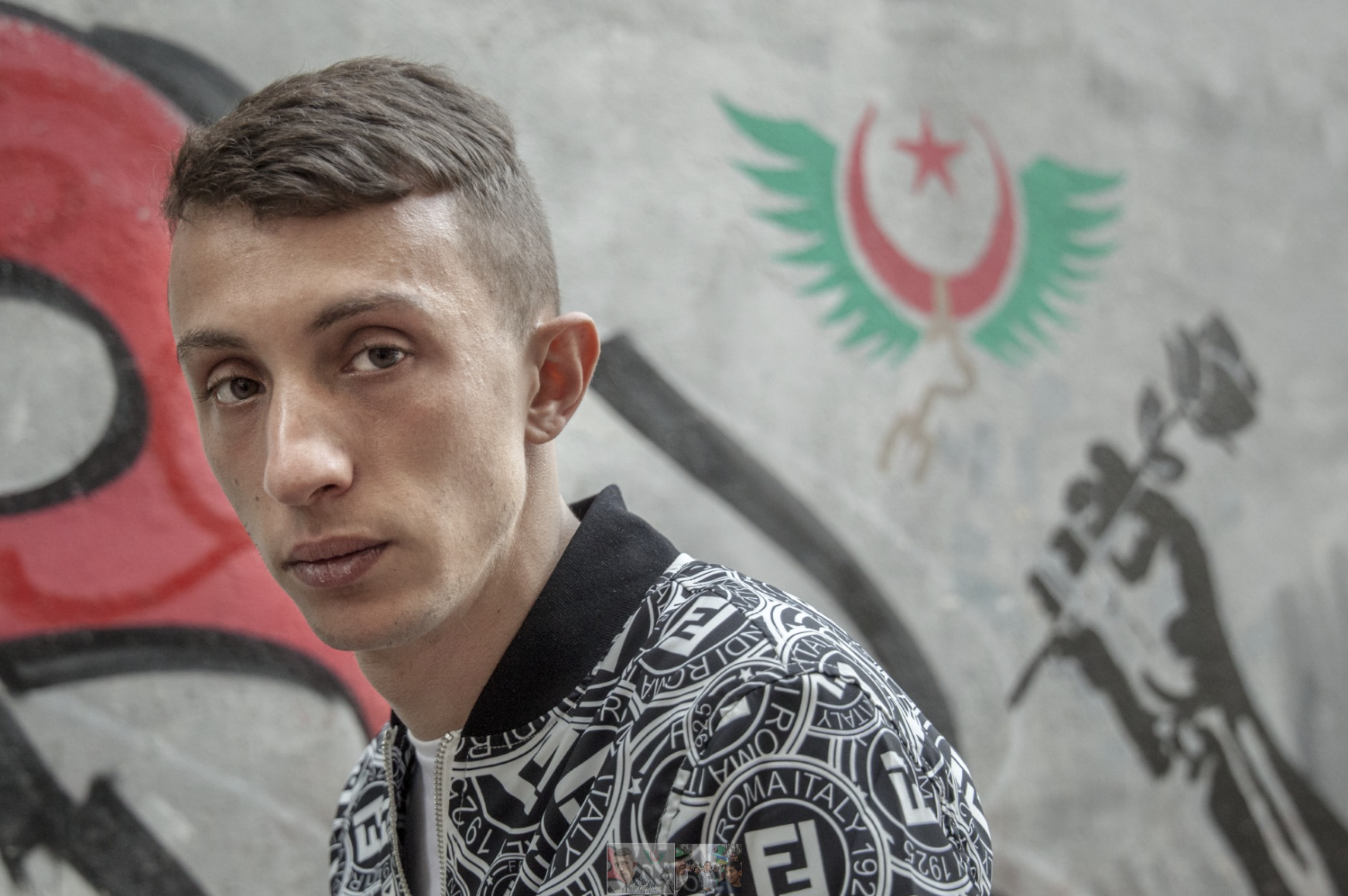
In Algeria, authorities escalated online repression, severely punishing any dissent or criticism of the government through arbitrary arrests, detention, and unfair trials. According to Amnesty International, at least 23 activists and journalists were arrested, detained and convicted in unfair trials in relation to their participation in an online protest movement #Manich_Radhi مانيش راضي# [ I am not satisfied], with at least seven sentenced to prison terms ranging from 18 months to five years. In January, Algerian authorities arrested poet Mohamed Tadjadit (see below) for his online writings and participation in the #Manich_Radi movement and sentenced him to five years in prison and a DZD200,000 (approximately USD1510) fine just four days later, following an expedited trial, reduced to one year in prison in May. In November, Tadjadit was sentenced to a further five-year sentence under the Anti-Terrorism Law, also in relation to his online expression. In March, the Bejaia Court of Justice upheld an 18-month sentence and a fine of DZD100,000 (approximately USD755) against activists Soheib Debbaghi and Mohamed Bazzizi for their role in the launch of the #Manich_Radi movement. Despite the repression, Gen Z activists were undeterred, launching the GenZ213 movement in October to demand greater social justice, which pro-government media framed as a Moroccan plot to destabilise the country.
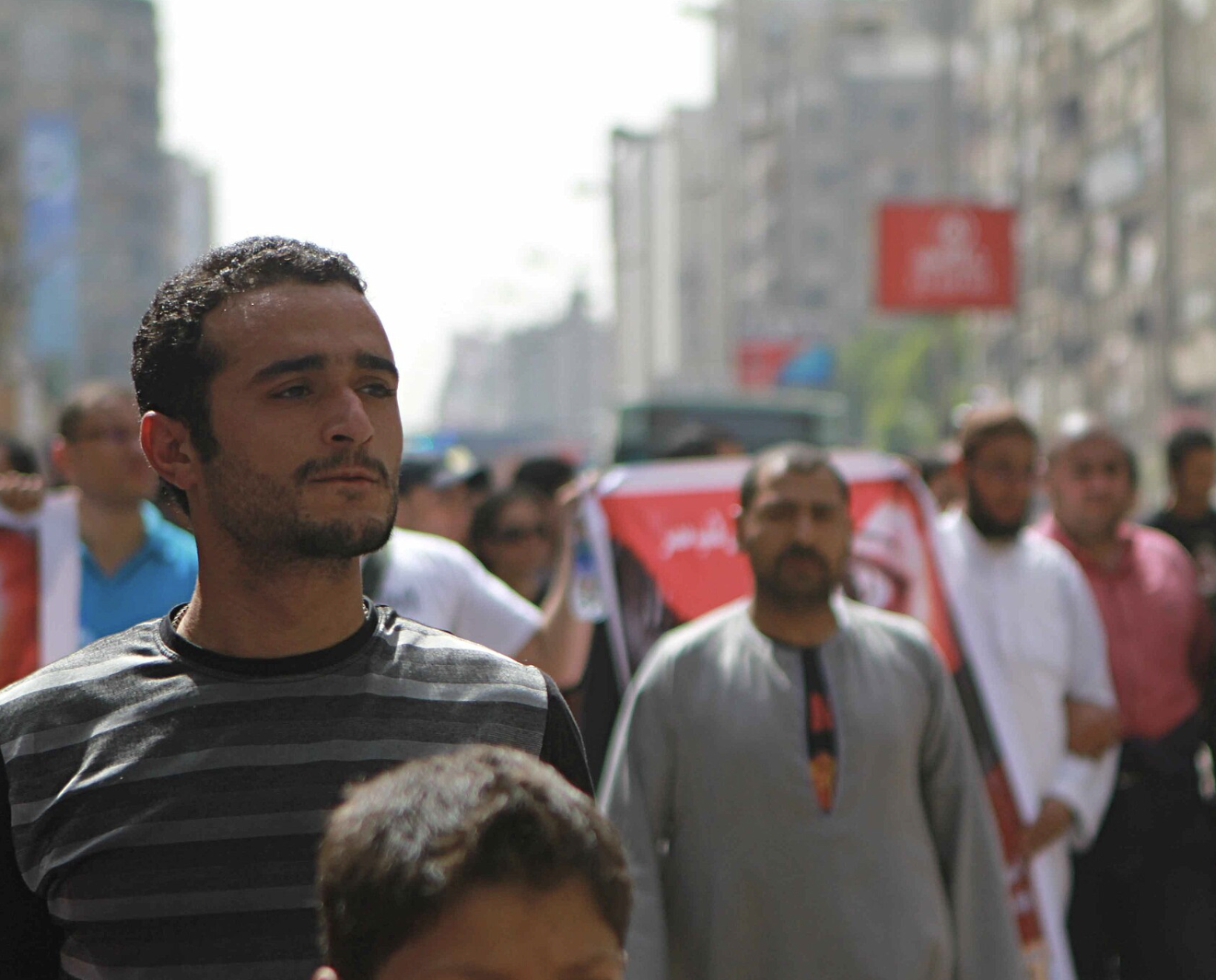
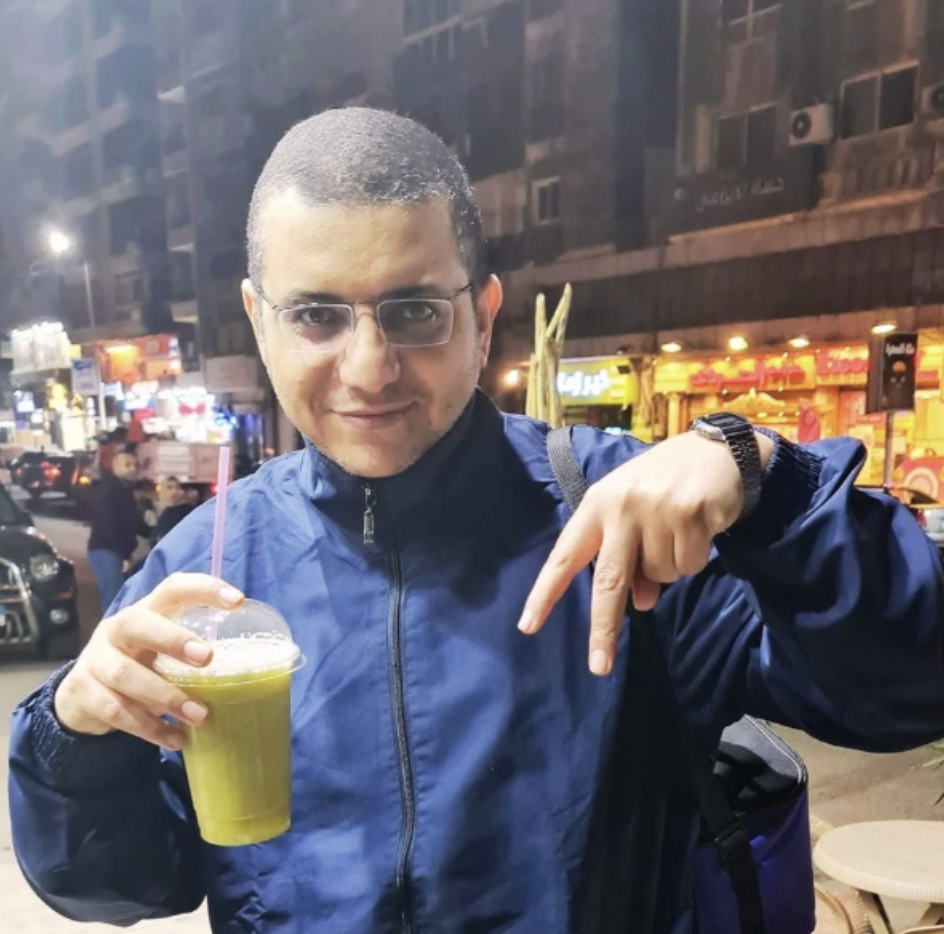
In Egypt, authorities continued their crackdown on government critics and repression of online expression. Egyptian poet Ahmed Douma was arrested and faced similar charges in at least two cases over the past year for his online expression (see below). Since his release in August 2023 after over a decade in prison, PEN International has recorded at least five open investigations into Douma’s writings and online commentary, in which he faced identical charges and was forced to pay punitive bail fees exceeding EGP230,000 (approximately USD4,850). Investigative journalist and writer Ismail Alexandrany was arrested in September at a security checkpoint in Matruh governorate in relation to a series of Facebook posts containing criticism of the government's human rights record and the use of ‘rotation’ against government critics. The Supreme State Security Persecution (SSSP) ordered his pre-trial detention on bogus charges and continued to extend his detention until the end of the year (see below). In Morocco, authorities arrested activist Mohamed Boustati over his online criticism of Israel’s war on Gaza. He was convicted in March and sentenced to one year in prison for ‘defamation’ of Saudi Arabia in relation to his criticism of Arab countries' position on the war in Gaza and normalisation of relations with Israel.
Arbitrary detention
Governments across the region sustained their use of arbitrary detention and imprisonment, often in harsh conditions, to silence critics, stifle freedom of expression, and maintain an overall climate of fear to deter any public opposition.
In Egypt, authorities continued to arbitrarily detain cartoonist and translator Ashraf Omar without trial at the end of the year (see below). In August, Egyptian authorities brought bogus charges against award-winning poet Galal El-Behairy (see below) in two separate cases in an effort to extend his ongoing arbitrary detention after he had already spent nearly four years in pre-trial detention and served a three-year unjust sentence. A week after the UN High Commissioner for Human Rights (UNHCHR) criticised the practice of ‘rotation’ of charges against prisoners in Egypt, highlighting El-Behairy’s situation, authorities brought fresh charges under another case, in apparent retaliation. In December, authorities in Iran violently arrested writer, human rights defender and Nobel Peace laureate Narges Mohammadi (see below) in Mashhad while attending a memorial service for Iranian human rights lawyer Khosrow Alikordi, who was found dead in suspicious circumstances.
The UAE maintained its zero-tolerance policy against any form of criticism, weaponising its legal system to silence critics. In March, authorities upheld an additional 15-year sentence against Emirati poet, blogger and human rights activist Ahmed Mansoor following an unfair trial (see below). Similarly, authorities continued to unjustly imprison prominent Emirati writer, academic and human rights lawyer Dr Mohamed Abdullah Al-Roken at the end of the year (see below). In June, human rights organisations reported that two of Al Roken’s sons were detained in April for unknown reasons and held in an undisclosed location without access to a lawyer or family members. In addition, Turkish-Egyptian poet Abdel Rahman Yusuf Al-Qaradawi continued to be arbitrarily held without a trial, at an undisclosed location, without the ability to communicate with the outside world freely.
War, conflict, and violence decimate freedom of expression
The ‘Twelve-Day War’ between Iran and Israel in June significantly contributed to a decline in freedom of expression in both countries, with Iran ramping up its censorship and crackdown on online expression and Israel further restricting press freedom. A journalist and a media worker, Nima Rajabpour, editor-in-chief of Iran's State TV news channel Khabar, and Masoumeh Azimi, a secretary, were killed in a premeditated attack on the Iranian state broadcaster (IRIB) building during a live broadcast. Israel’s deliberate bombing on 23 June of Iran’s notorious Evin Prison Complex in Tehran, where political prisoners, human rights defenders, writers, and government critics are often held, killed at least 80 civilians and put imprisoned writers at risk.
In response to the hostilities, Iranian authorities shut down internet services and interrupted communications across the country for several days, severely disrupting access to information for millions of Iranians. Additionally, both pro-Israel and pro-Iran accounts unleashed a massive wave of online misinformation and disinformation on social media platforms. Fuelled by AI-generated content, they were utilised to manipulate facts and influence narratives about the conflict.
Over a year since the downfall of the al-Assad regime in Syria, grave concerns arose at reports of the transitional Syrian government’s security forces and affiliated militia groups’ systematic persecution, possibly including war crimes, of religious and ethnic minorities across the country. The attacks coincided with a horrendous rise in hate speech and identity-based incitement to violence directed against minorities, creating a suffocating environment for freedom of expression, particularly among the Alawi, Druze, and Kurdish communities.
The impact on writers has been profound: many have lost their homes and personal belongings, including books and libraries, while others were forced into self-censorship, fearing for their lives. Writers who survived the attacks on the Druze and Alawi communities described to PEN International the horrific levels of violence committed against their families and communities. Widespread kidnapping or hostage taking of civilians, including women; systematic looting and pillaging; destruction of property; and the extrajudicial killings of civilians, have resulted in a climate of fear and polarisation that has paralysed their ability to work and creatively express themselves.
For example, writers from the city of Suwayda reported widespread abductions and killings of civilians; lootings; and destruction of property during attacks on the governorate in July. One writer reported that their family members survived a knife attack only to be shot later in their home by transitional government forces and affiliated militias, who ransacked their house. Another reported that their home was completely burned down, including their library, while their family members were forced to flee their homes. A writer who survived the attacks on coastal areas in March 2025 told PEN International that they witnessed most of their neighbours being slaughtered inside their homes and in the streets due to their religious background. Their home and shop were ransacked, and their car was torched by the interim government forces and affiliated militias.
Ongoing genocide and apartheid against Palestinians
Deplorably, Israeli authorities continued their attacks against Palestinians throughout the year despite agreeing to two ceasefire deals in Gaza in January and in October 2025, with over 600 Palestinians killed between October and February 2026. In September, the UN Independent International Commission of Inquiry on the Occupied Palestinian Territory found that Israeli authorities had extensively and systematically demolished civilian infrastructure and continuously enlarged areas under their control, reaching 75% of the Gaza Strip by July 2025, and also that Israeli policies and actions in the West Bank demonstrated intent to forcibly transfer Palestinians, expand settlements and annex the whole West Bank, with significant implications on Palestinians’ ability to practise their right to self-determination across the OPT.
Testimonies of Palestinian writers across the Occupied Palestinian Territory (OPT) given to PEN International corroborated the growing body of evidence demonstrating concerted and systematic efforts by the Israeli authorities to erase the Palestinian people and their cultural heritage across the OPT, and especially in Gaza. PEN International concurs with the UN and legal experts, sister human rights organisations and genocide scholars that Israel is perpetrating genocide against Palestinians in Gaza.
Since October 2023, Israeli authorities continued to conduct continuous, coordinated attacks on Palestinians and their culture, including the killing of writers, academics, artists, and cultural workers and weaponising vital humanitarian aid, including food and medicine. Israeli bombardment has resulted in widespread and systematic destruction of most of Gaza's infrastructure, while forcibly displacing writers, artists, and cultural workers several times over and destroying their homes and private properties. Israeli authorities have employed a policy of widespread and systematic arbitrary detention of Palestinian writers, artists and journalists, while subjecting them to torture and other ill-treatment, including starvation, to silence any criticism of their actions and spread a climate of fear. Israel briefly detained and deported hundreds of activists from around the world who were aboard flotillas bringing aid to Gaza in July and October. They included Bangladeshi photographer Shahidul Alam (see Asia/Pacific case list).
Israel’s widespread, systematic and ongoing destruction of cultural heritage sites, schools and educational facilities, coupled with the enormous loss of lives, including of writers, artists, journalists, academics, cultural workers and activists, and enforcement of conditions causing irreparable damage to Palestinians and their culture, corroborates PEN International’s concerns about concerted efforts to erase the Palestinian people and their culture in the Gaza Strip.
Testimonies of writers in Gaza describe the irreversible loss of most of its tangible and intangible cultural heritage, including independent cultural spaces. Many writers reported the loss of their personal libraries, built over decades amid suffocating restrictions, especially on the importation of books. They also talked extensively about the irreversible loss of indigenous writings by Gazan writers that were printed and distributed in Gaza.
Writers in Gaza reported significant impacts on their and their families’ health, including weight loss, constant fatigue and weakness, an inability to recover from simple infections like flu or stomach bugs, severe back and joint aches. Several reported respiratory and digestive problems. They also described a lack of medicines and medical equipment for chronic and life-threatening conditions and diseases, including diabetes and heart conditions, as well as disability. The Israeli targeting of water infrastructure across Gaza has left the entire population with limited or no access to clean drinking water, pushing many writers to resort to drinking underground water, which is usually contaminated with sewage.
In June, PEN International called for an immediate arms embargo on all parties to the conflict, and particularly a ban on the export of all weapons used by Israel in its persistent and intentional targeting of Palestinian civilians across the OPT. The organisation also reiterated its call for an immediate and permanent ceasefire; unfettered access to humanitarian aid in Gaza; the release of all hostages and arbitrarily detained Palestinians; and an end to the Israeli occupation of Palestine, including the systems of racial segregation and apartheid imposed there.
Good News
PEN International welcomed the release in September of British-Egyptian writer and activist Alaa Abd El-Fattah after almost six years in arbitrary imprisonment, as well as the release of French-Algerian novelist Boualem Sansal in November.