Nicaragua: Book bans and other efforts to undermine cultural rights condemned
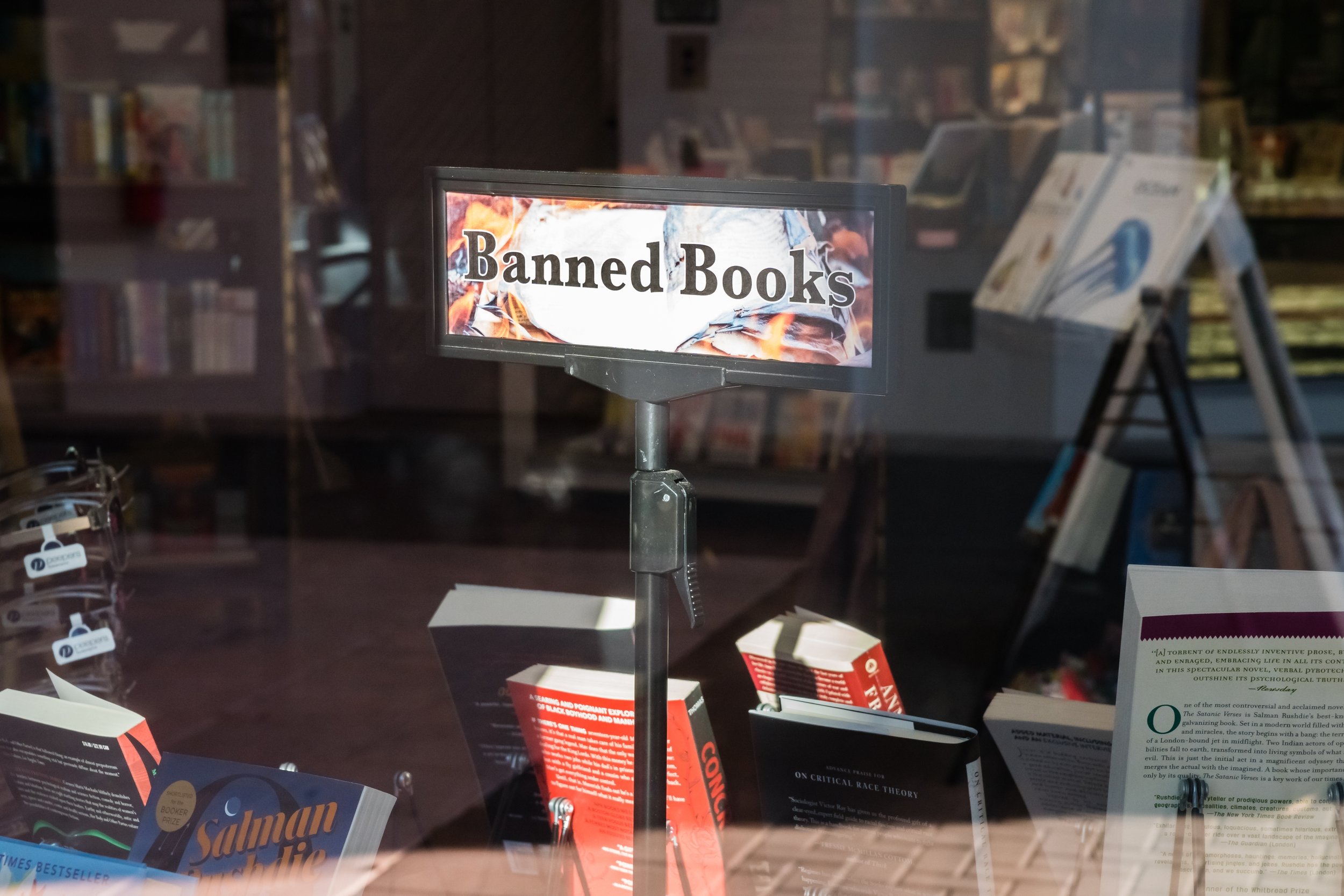
Image credit: Heidi Besen via Shutterstock
‘The Nicaraguan government must cease its use of censorship and other tools of intimidation against literature, art and other forms of cultural or critical expression. Banning books, persecuting writers, and restricting people’s access to culture constitute serious violations of freedom of expression and cultural rights’, said Burhan Sönmez, President of PEN International.
08 May 2026: PEN International strongly condemns the censorship imposed against the works of writers in Nicaragua and expresses its deep concern over the systematic deterioration of cultural rights and freedom of expression in the country. The organisation also warns that the actions of the Nicaraguan government reflect a sustained policy of repression, including the persecution of critical voices and the dismantling of independent spaces for creation, thought, and literary expression, in a context marked by increasing restrictions against artists, writers, journalists, and cultural actors.
On 25 April 2026, Nicaraguan customs authorities prohibited the import of Gioconda Belli’s latest novel, Un silencio lleno de murmullos (A Silence Full of Murmurs), a work addressing the 2018 civic protests and the ensuing state repression carried out against the population. This incident adds to other recent cases of editorial censorship in the country, including the 2021 seizure and prohibition of Tongolele no sabía bailar (Tongolele Didn’t Know How to Dance) by writer Sergio Ramírez. In addition to censorship, both authors have faced legal harassment, been stripped of their nationality by the regime, and remain in forced exile in an attempt to silence them. Independent bookstores and distributors have also denounced efforts to impose a climate of self-censorship out of fear of state reprisals.
Book bans form part of a broader pattern of repression promoted by the Nicaraguan government. Since 2018, thousands of civil society organisations have been shut down, including cultural institutions and PEN Nicaragua, in addition to the forced closure of literary festivals, academic associations, and independent artistic spaces. PEN International warns that these actions seek to impose a single narrative from those in power and eliminate cultural and intellectual plurality in Nicaragua.
The deterioration of cultural freedoms in Nicaragua has also been reflected in its government’s disengagement from multilateral mechanisms, including its withdrawal from international organisations. On 4 May 2025, Nicaragua announced its withdrawal from UNESCO, a decision that will take effect on 31 December 2026. In February 2025, Nicaragua also announced its withdrawal from the United Nations Human Rights Council following the publication of a report by the United Nations Group of Human Rights Experts on Nicaragua, which documented serious human rights violations and raised concerns over the consolidation of power in the country.
PEN International calls on the international community and cultural actors worldwide to continue highlighting threats against freedom of expression and cultural rights in Nicaragua. The organisation also urges continued active solidarity with writers, journalists, artists, booksellers, and cultural defenders facing censorship, persecution, and exile, and calls on the Nicaraguan government to immediately cease acts of censorship and repression against those peacefully exercising their right to create, write, and express themselves freely.
Note to Editors
For more information, please contact Alicia Quiñones, Head of the Americas Region, PEN International: [email protected]
For media queries, please contact Sabrina Tucci, Head of Communications and Campaigns, PEN International: [email protected]