
Sri Lanka: PEN International calls for the release of books by Tamil writer Theepachelvan Piratheepan
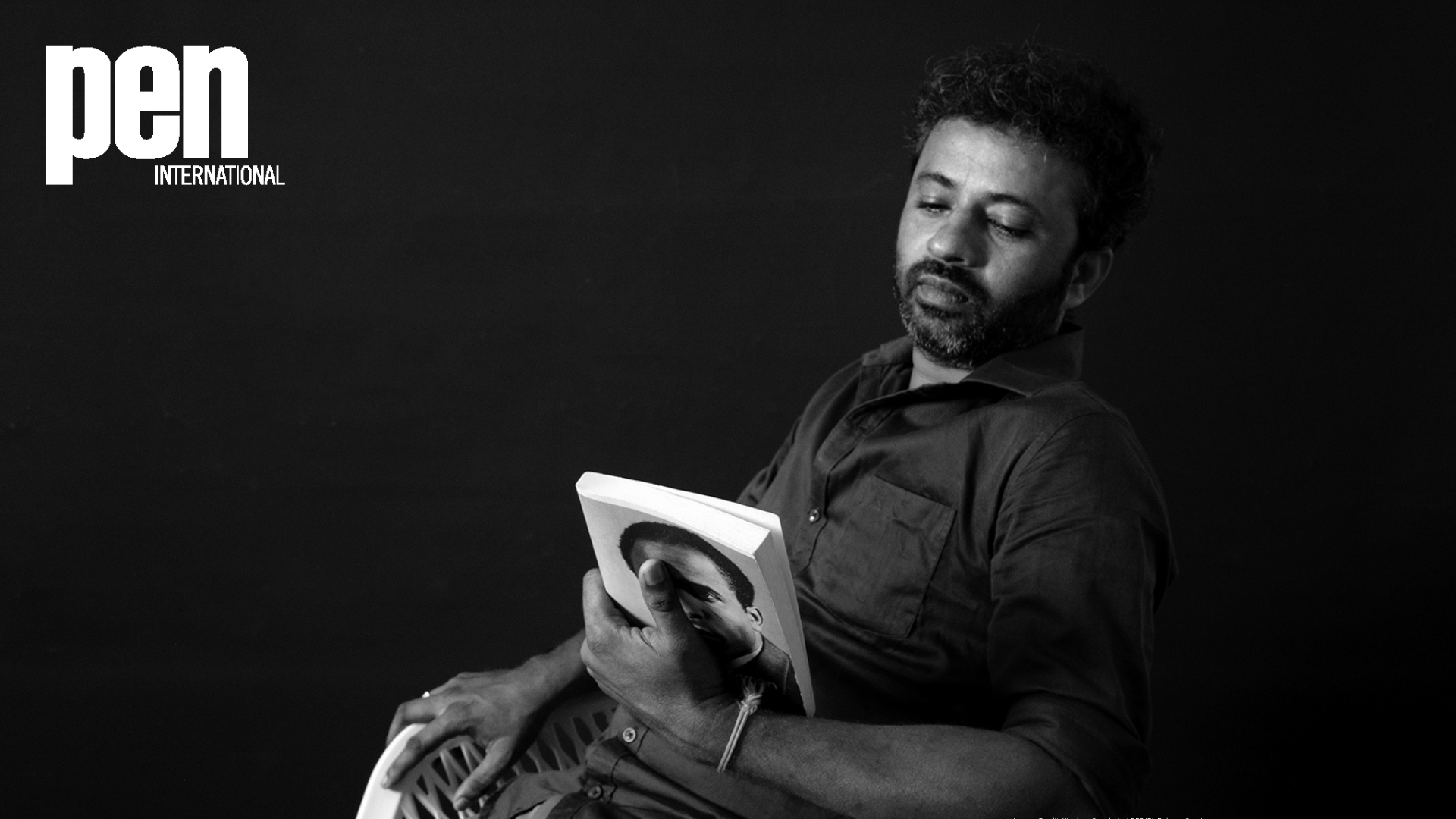
Image Credit: Vartharajan Mathumegalan
‘The continued confiscation of Theepachelvan Piratheepan’s books is an act of censorship that strikes at the very heart of literary freedom. Writers must be free to write without fear that their work will be suppressed by state authorities. The withholding of books consisting largely of previously published interviews and commentary raises serious concerns about the use of national security justifications to restrict legitimate expression,’ said Germán Rojas, Chair of PEN International’s Writers for Peace Committee.
1 July 2026: PEN International is concerned by the continued seizure of copies of two books by award-winning Tamil writer Theepachelvan Piratheepan and calls on Sri Lankan authorities to release them without delay. The authorities must cease using vaguely defined national security and public order provisions to restrict literary expression and silence minority voices.
On 18 March 2026, Sri Lanka Customs seized a consignment of books by Theepachelvan Piratheepan, a Tamil writer and schoolteacher from Kilinochchi in northern Sri Lanka. The shipment contained five titles reprinted in India, including novels, essays, interviews, and collections of previously published newspaper columns.
Theepachelvan is a widely respected literary figure whose novels, poetry, essays, and non-fiction writings explore themes of war, memory, loss, reconciliation, and the lived experiences of communities affected by Sri Lanka’s decades-long civil conflict. Several of his works have been translated into Sinhala and English, helping foster dialogue across ethnic and linguistic divides.
Following public criticism, customs authorities released three of the books. However, two titles remain seized: Eluththaal Naan Yuddham Seikiren (I Am Waging a War with Words), a collection of interviews published between 2008 and 2024, and Ippoduthum Inge Irandu Thesangal (Even Now There Are Two States), a compilation of previously published newspaper columns.
According to customs authorities, the books were withheld following recommendations from the Ministry of Defence, the Sri Lanka Arts Council, and the State Literary Sub-Committee. Authorities have reportedly claimed that the books contain material falling under Section 120 of Sri Lanka’s Penal Code, a broadly worded provision concerning acts that may ‘excite feelings of disaffection’ toward the state.
The books in question consist largely of material that has already been published in Sri Lankan and international newspapers and media outlets over many years. No court has ruled that the contents are unlawful, and the authorities have not publicly provided a detailed justification for their continued detention.
The continued withholding of these books raises broader concerns about the treatment of Tamil-language literature in Sri Lanka. Reports indicate that other books by Tamil and Muslim writers have similarly been subjected to customs restrictions in recent years, including copies of the Quran, suggesting a troubling pattern of heightened scrutiny directed at minority voices and publications.
PEN International calls on the Sri Lankan authorities to release all remaining copies of Theepachelvan Piratheepan’s books currently held by Sri Lanka Customs; refrain from using national security, customs, or public order provisions to censor literary and journalistic works that do not incite violence; and guarantee that writers from all communities, including Tamil and Muslim writers, can publish, distribute, and discuss their work free from discrimination and undue state interference.
Note to editors:
For further details, contact Michael Rosen-Lupu, Head of Asia/Pacific Region at PEN International: [email protected]
For media queries, please contact Sabrina Tucci, Head of Communications and Campaigns at PEN International: [email protected]