Venezuela Returns to the UPR Amid Escalating Attacks on Critical Voices and Deepening Threats to Freedom of Expression
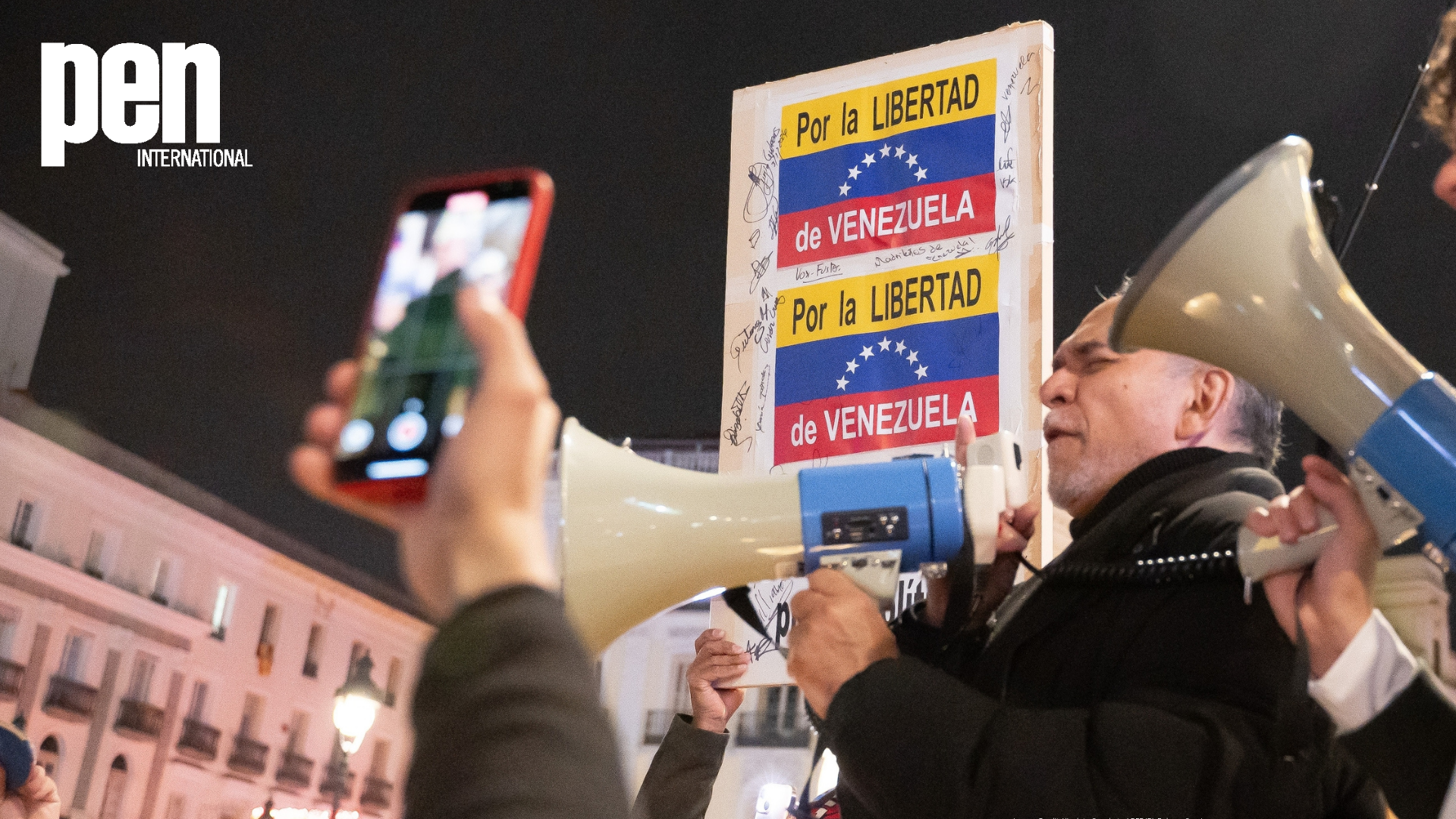
Image credit: Shutterstock
12 August 2026 - Civil society organisations have submitted evidence to the United Nations demonstrating the worsening hostility against the independent press in Venezuela. The risks associated with exercising the right to freedom of expression have reached unprecedented levels, including the imprisonment of 26 media workers in 2025 alone.
The submissions by ARC - Artists at Risk Connection , the Committee to Protect Journalists (CPJ), Espacio Público, the Press and Society Institute of Venezuela (IPYS Venezuela), PEN International, PEN Venezuela and Reporters Without Borders (RSF) will be examined during the fourth cycle of the Universal Periodic Review (UPR), at the 54th session of the UPR Working Group, scheduled for January–February 2027.
The joint report warns that the Venezuelan State has failed to fully implement the recommendations it accepted during its third cycle UPR, held in January 2022. On the contrary, over the past four years, persecution of voices critical of the government has intensified through a legal framework that violates international standards and a justice system that has become part of the state's machinery of repression.
In addition, restrictions on access to information and the blocking of media outlets and digital platforms have contributed to the expansion of information deserts across the country, affecting more than half of Venezuela's population.
The organisations make, among others, the following recommendations to the Venezuelan State:
Repeal or amend laws that unduly restrict freedom of expression, association, and peaceful assembly.
Immediately lift arbitrary blocks on media, civil society websites, and digital communication platforms, end unlawful digital surveillance and censorship, and guarantee unrestricted access to the internet in accordance with international human rights standards.
End arbitrary detention, enforced disappearance, and judicial harassment of journalists, media workers, artists, writers, cultural actors, and human rights defenders. Investigate all attacks against the press, hold those responsible accountable, and provide effective remedies and reparations to victims.
Ensure that Venezuelan journalists, human rights defenders, artists and cultural actors forced into exile can access international protection in accordance with the Cartagena Declaration on Refugees (1984), and refrain from any acts of intimidation or reprisals against journalists living abroad.
Implementing these measures is essential to reversing the documented climate of fear and self-censorship, and to ensuring a free, pluralistic and safe environment in Venezuela for the exercise of freedom of expression, journalism, and artistic and cultural creation.
Note to Editors
For more information, please contact Alicia Quiñones, Head of the Americas Region, PEN International: [email protected]
For media queries, please contact Sabrina Tucci, Head of Communications and Campaigns, PEN International: [email protected]