
Afghanistan: Five years after the Taliban's return, the international community must not abandon Afghanistan's writers
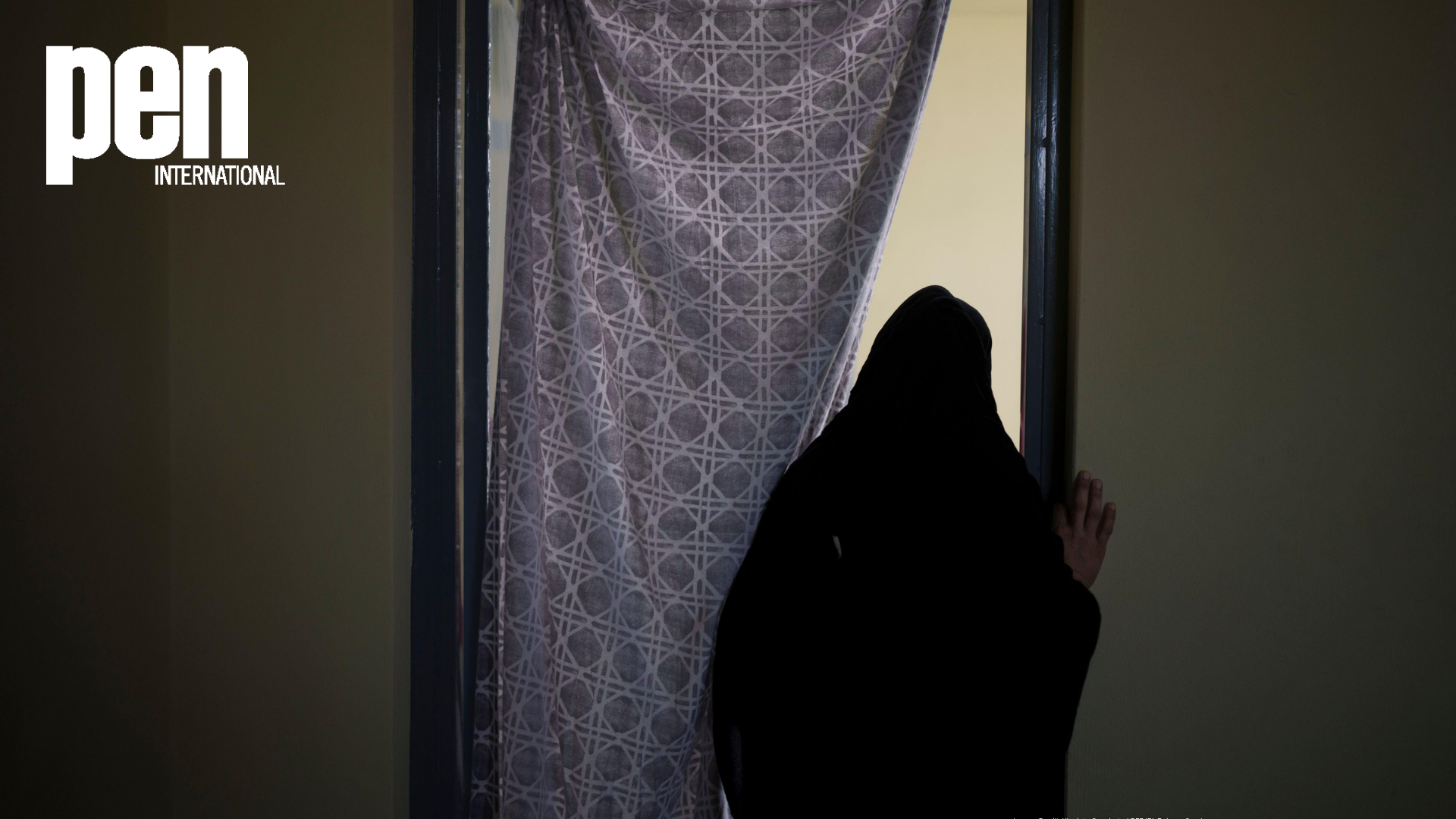
Image credit: AP/ Alamy
‘Five years after the Taliban seized Kabul, Afghanistan's writers continue to pay an extraordinary price for their words, while women and girls remain trapped under an all-encompassing system of gender-based oppression. As some governments move to normalise relations with the Taliban, the international community risks abandoning those it has a duty to protect. Recognition and engagement must never come at the expense of human rights or the safety of those who have been persecuted,’saidMa Thida, Chair of PEN International’s Writers in Prison Committee.
15 August 2026: Five years ago today, Taliban forces entered Kabul, bringing an abrupt end to two decades of fragile democratic progress and plunging Afghanistan into one of the world’s gravest human rights and humanitarian crises.
For Afghanistan's writers, poets, journalists, publishers, artists, and academics, the Taliban's return has meant the systematic destruction of the country's cultural and intellectual life. Independent media has been decimated, publishing houses have closed, books have been destroyed, and countless writers have been forced into hiding, exile, or silence. Those who continue to write do so under threat of arbitrary detention and persecution; many have been driven into self-censorship out of fear for their lives.
In the days and months leading up to the Taliban’s seizure of Kabul, PEN International received harrowing news of the murders of at least two PEN members. Abdullah Atefi, a poet and historian, was shot outside his home on 4 August 2021. Just two days later, Dawa Khan Menapal was shot by Taliban gunmen while travelling for Friday prayers in Kabul. The day before he died, Menapal had publicly condemned Atefi’s murder. A few months earlier, on 7 November 2020, Yama Siawash, a former news presenter and PEN member, was also killed in a bomb attack after an explosive device was attached to his car. It is not known who was responsible for his death, but many believe he was, like Atefi and Menapal, the victim of a targeted attack by the Taliban.
The Taliban have also waged an unprecedented assault on the rights of women and girls. Afghanistan remains the only country in the world where girls are barred from education beyond the sixth grade. Women have been systematically excluded from education, employment, and public life, while successive decrees have sought to erase women from society altogether, creating what UN experts have described as a system of gender apartheid.
Five years on, there is no evidence that the Taliban have moderated their approach. On the contrary, restrictions have increased in severity. Writers and journalists continue to face arbitrary arrest, torture, and prosecution. The space for independent thought and artistic expression has been almost entirely extinguished.
In addition, Afghanistan's humanitarian crisis has deepened since 2021. Cuts to international aid have left millions without adequate food or healthcare. 14 million Afghans—one in three people in the country—currently face acute food insecurity. Meanwhile, renewed hostilities with Pakistan have claimed hundreds of civilian lives.
Yet, despite this record, there appear to be growing efforts by some governments to normalise or legitimise engagement with the Taliban, including recent diplomatic initiatives by the European Union and the formal recognition of the Taliban by some states.
Any engagement with the Taliban must remain principled and centred on securing tangible improvements in human rights and pursuing accountability for past and ongoing rights violations. Political or diplomatic recognition must not be granted while the Taliban continue to persecute writers, dismantle freedom of expression, and deny women and girls their most fundamental rights.
PEN International is equally alarmed by proposals in Europe and elsewhere to resume deportations of Afghans to Afghanistan, as well as proposals to transfer Afghan refugees to unsafe third countries, including the Democratic Republic of Congo. Similar deportation programmes in countries including Iran, Pakistan, and Türkiye have already resulted in at-risk Afghan writers and journalists being targeted for return.
Afghanistan is manifestly unsafe for anyone at risk of persecution, including writers and journalists. Any forced return would violate the principle of non-refoulement and place lives at immediate risk.
Since the fall of Kabul in August 2021, PEN International, working alongside PEN Centres and partners across the world, has helped facilitate the emergency relocation of more than 120 at-risk Afghans, including writers, poets, publishers and their families, from Afghanistan. These efforts have saved lives, but they have also highlighted the indispensable role that governments play in providing safe and durable pathways to protection. Many Afghan writers remain stranded in neighbouring countries, facing poverty and the constant threat of refoulement. The international community must not now retreat from the commitments it made to those forced to flee Taliban persecution.
Five years after Kabul fell, Afghanistan remains one of the world's most dangerous places for those who dare to write. The international community must not compound that injustice through indifference, legitimisation of the Taliban, or through forced returns. It must stand with Afghanistan's writers, who continue to bear witness despite extraordinary risks.
PEN International calls on governments to:
Reject any moves towards legitimising or recognising the Taliban unless there is clear, measurable, and sustained progress on human rights, including freedom of expression and the rights of women and girls, and that perpetrators of human rights violations are held to account.
Immediately halt all forced returns of Afghan nationals to Afghanistan and abandon proposals to transfer Afghan refugees to unsafe third countries.
Expand safe and durable resettlement pathways for Afghan writers, poets, journalists, publishers, and all others who remain at risk of persecution due to their peaceful expression.
Note to editors:
For further details, contact Michael Rosen-Lupu, Head of Asia/Pacific Region at PEN International: [email protected]
For media queries, please contact Sabrina Tucci, Head of Communications and Campaigns at PEN International: [email protected]