
Writers at Risk in the Age of AI and Global Disorder: Highlights from PEN International’s 92nd Congress
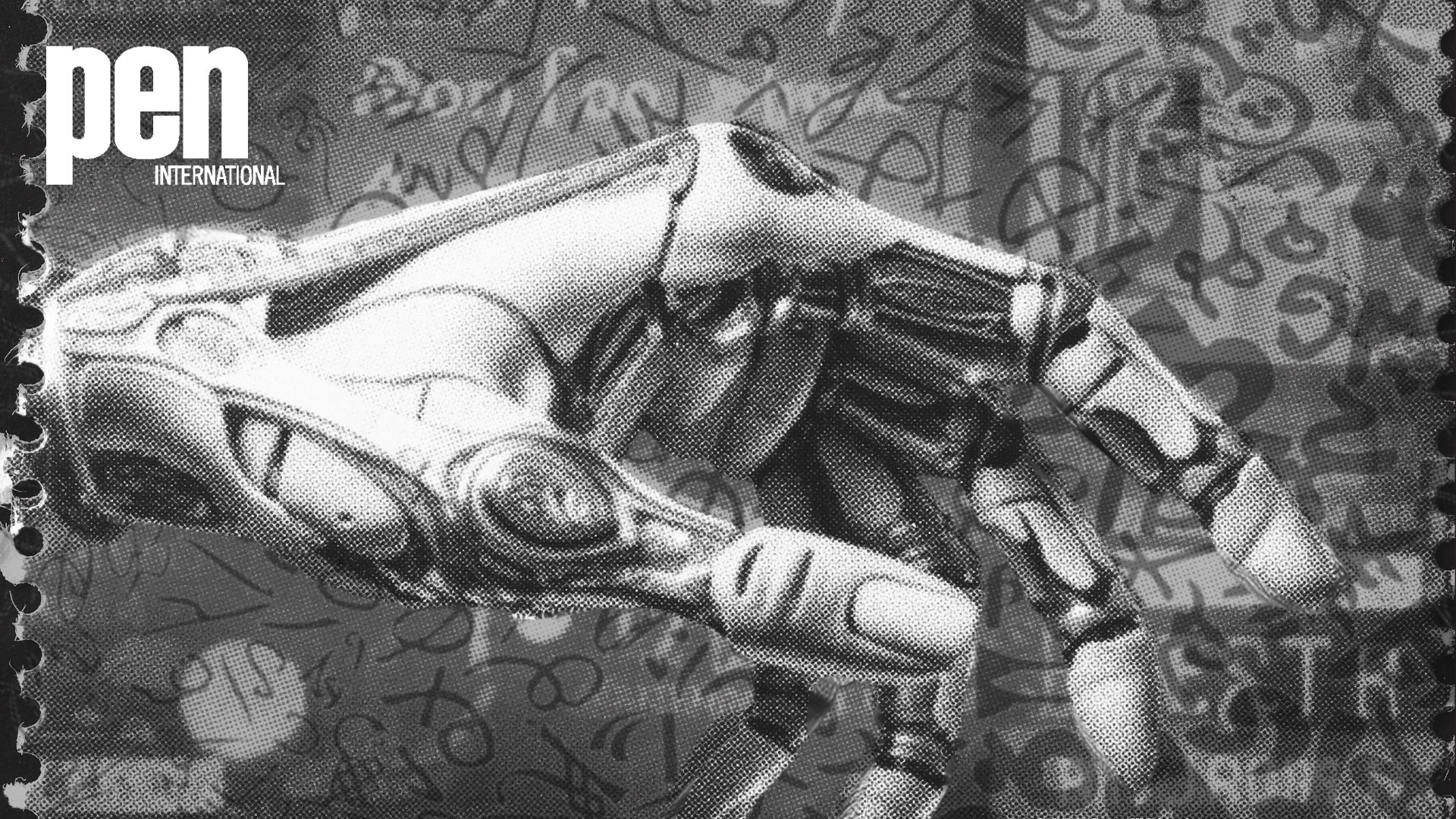
“We must address the risks coming with the development of artificial intelligence, now, before this is fully and irreversibly determined by commercial interests or political power. The question is not whether AI will become part of our future. It already is. The question is what place we will give it in the future of literature, and what place we will leave for the human imagination.” Burhan Sonmez, PEN International President
05 October 2026: PEN International concluded its 92nd Congress on 30 September, held under the banner “Writers at Risk in the Age of AI and Global Disorder.” The gathering served as a reminder of the enduring power of literature to resist repression, bear witness, and imagine alternatives in the face of crisis. Over two days, participants explored the growing threats to human expression — from conflict, censorship and the erosion of international accountability to AI-driven disinformation, surveillance and the exploitation of writers’ work — and considered how PEN International can respond.
As part of this year’s Congress, the panel event “No Safe Haven: Writers and the Rise of Transnational Repression” examined how governments are increasingly reaching across borders to silence writers in exile.
The discussion brought together journalist and presenter Samira Mohyeddin, PEN International's Head of Research, Policy and Advocacy Ross Holder, Vietnamese journalist and writer Doan Bao Chau, and Russian journalist Filipp Dzyadko. Together, they explored the realities of being targeted across borders, the wider patterns of transnational repression, and how governments, international organisations and the literary community can better protect those whose persecution does not end when they leave home.
Key decisions and announcements
PEN International's Assembly of Delegates adopted a resolution on "Generative AI and Writers' Rights", reaffirming the Charter's principle of the free and unhampered transmission of thought and placing human authorship at the heart of literature and creative expression. The resolution calls for rights-based regulation, protection of copyright and human authorship, transparency and accountability in the use of AI, and safeguards against disinformation, censorship, surveillance and the marginalisation of under-resourced languages and literary traditions. It warns that machine-generated content spread without meaningful human supervision could erode trust, weaken accountability and distort public discourse.
Alongside it, the Assembly adopted a resolution on "the Accelerating Consequences of International Disorder - An international rules-based order in free fall”, warning that the accelerating erosion of the international rules-based order is worsening conditions for people across the world. The resolution highlights the collapse of humanitarian assistance, attacks on civilian infrastructure and cultural heritage, and the collapse of nuclear arms control. It calls on governments and intergovernmental organisations to reaffirm the United Nations Charter and international law, urgently resume multilateral negotiations on nuclear arms control and reform humanitarian assistance, while urging PEN Centres and writers to hold governments accountable and amplify the voices of people whose suffering is made invisible.
American author Jennifer Finney Boylan was elected to the PEN International Board, while writer and PEN International Young Writers Committee member Ege Dündar was re-elected to the Board.
Wezi Glory Msukwa-Panje was elected Chair of the PEN International Translation and Linguistic Rights Committee.
Romani PEN, Asturian PEN, PEN Rome and PEN Sudan were established as PEN International’s newest PEN Centres. Five Centres were declared to have ceased to exist (Cuba, Galicia, Ghana, Italy and St Petersburg), and two were expelled (Kenya and Senegal).
Note to Editors:
For more information and media queries, please contact Sabrina Tucci, PEN International Head of Communications and Campaigns: [email protected]